
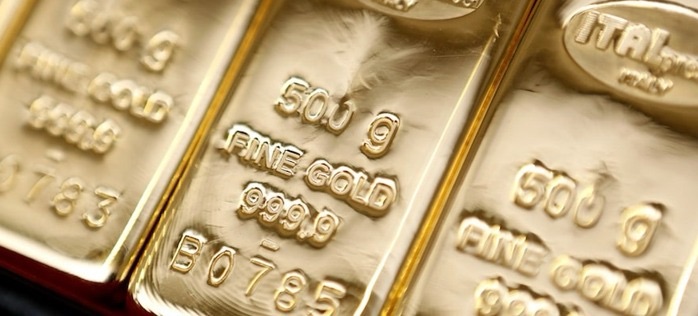
Across global markets, gold has surged to astonishing levels this year. In Australia, the spot price for gold in AUD has crossed A$6,500 per ounce.
But, suddenly, the market is seeing a rapid correction: one‐day drops of ~5-6 % have been reported for the globally quoted gold price.
For many Aussie investors — whether physical gold buyers, speculators in gold stocks, or those who piled in during the late stage of the rise — this reversal feels like a shock.
Why Australians are especially exposed to the mood swing
1. Huge local interest
Australia is both a major gold-producer and a nation where retail interest in buying physical gold has surged. Reports of long queues at bullion dealers in Sydney reflect the fevered mood.
With the AUD/USD exchange rate fluctuations also adding noise, the local gold-price experience can be more volatile than the “headline” USD price.
2. Mixed signals on what drives gold
Many investors buy gold for “safety” (hedge against inflation, currency risk, global instability). Yet the recent price move shows that gold is behaving in ways that don’t fully align with the textbook safe-haven model. For example:
Gold rallied despite some signs of economic recovery. It pulled back even when inflation concerns weren’t fading. Traditional triggers (interest-rate cuts, weaker USD) are interacting in complex ways. Thus, some Australian gold investors may have thought they were buying “safe” when they were really buying into a momentum‐driven rally.
3. Late stage momentum and crowd behaviour
Some indicators show typical signs of a rally entering its late phase: bubbly sentiment, many newcomers, physical gold buying mania. For instance:
“Massive lines in Sydney today … scenes straight out of a financial panic/bubble fears.”
When mass retail participation kicks in near the top, the risk of a meaningful pull-back increases.
Why the decline happened — and what triggered the panic
Here are key drivers behind the recent pull-back and why the panic is justified (though maybe premature):
Profit-taking and over-extended rally: Gold had run hard. Analysts say the surge left the market vulnerable to correction. Stronger USD / rising yields: When the U.S. dollar strengthens or real interest rates rise, gold tends to lose attractiveness. Some of that dynamic has kicked in. Shifting expectations for interest rates: If investors anticipate central banks will tighten, gold — which benefits from low/negative real rates — is under pressure. Technical correction: After a huge run, markets often “shake out” the late entrants. For Australia, the steep drop translates into losses in AUD terms, thus sparking fear.
The implications for Australian investors
Immediate pain
If you bought gold at or near the peak (in AUD or via gold stocks) your portfolio may already show a significant unrealised loss. Physical gold buyers may feel regret or fear: “Should I have waited?”, “Was I too late?”, “Am I holding a loser?”. Those using gold as a hedge might see its value fall just as other asset-classes are still shaky — defeating the diversification aim.
Longer term questions
Is this just short-term volatility, or have we entered a new regime where gold’s role is more speculative than safe‐haven? If the rally was partly driven by momentum and crowd behaviour, does that mean the next leg is down instead of up? Should you hold on for the long term (if you believe in gold’s hedge value) or exit (if you believe the risk of further drop is high)?
What to do now — a checklist for Australians
Pause and reassess: Don’t make panic‐driven decisions (sell everything, or buy more impulsively). Clarify your objective: are you hedging risk, speculating, or preserving capital? Look at your entry price: If you bought at elevated levels, understand your downside risk. If you bought earlier and still have a margin of safety, your situation is different. Check cost and liquidity: Buying physical gold has costs (spread, storage, fees). If you need to sell in a rush, you might get less favourable terms. Diversification matters: Gold should be part of a broader strategy, not “everything”. If you are over-concentrated, you’re exposed. Time horizon is key: If you’re in it for the very long term (10+ years) and believe in gold’s structural hedge role, then short-term corrections may be tolerable. If you’re short-term, you may want to reconsider. Stay informed about macro risks: Especially interest rates, USD movement, global stability, and the AUD exchange rate — they all impact your gold price in AUD terms. Avoid emotional traps: When the crowd is pounding the doors (as in Sydney queues), the risk of being late and caught in a reversal rises.
The broader takeaway: Panic is revealing a transition
For many Australians, the current moment isn’t just a drop in gold price — it’s a shock to the belief that “gold always protects me”. That belief is being tested.
Investing in gold isn’t an automatic hedge; outcomes depend on timing, entry price, cost structure, and broader market forces.
What we may be witnessing is part‐speculation, part‐hedge. The rally reminded many that gold can go parabolic — and the decline shows it can reverse quickly. The panic among Aussie investors reflects that dislocation between expectations and reality.