
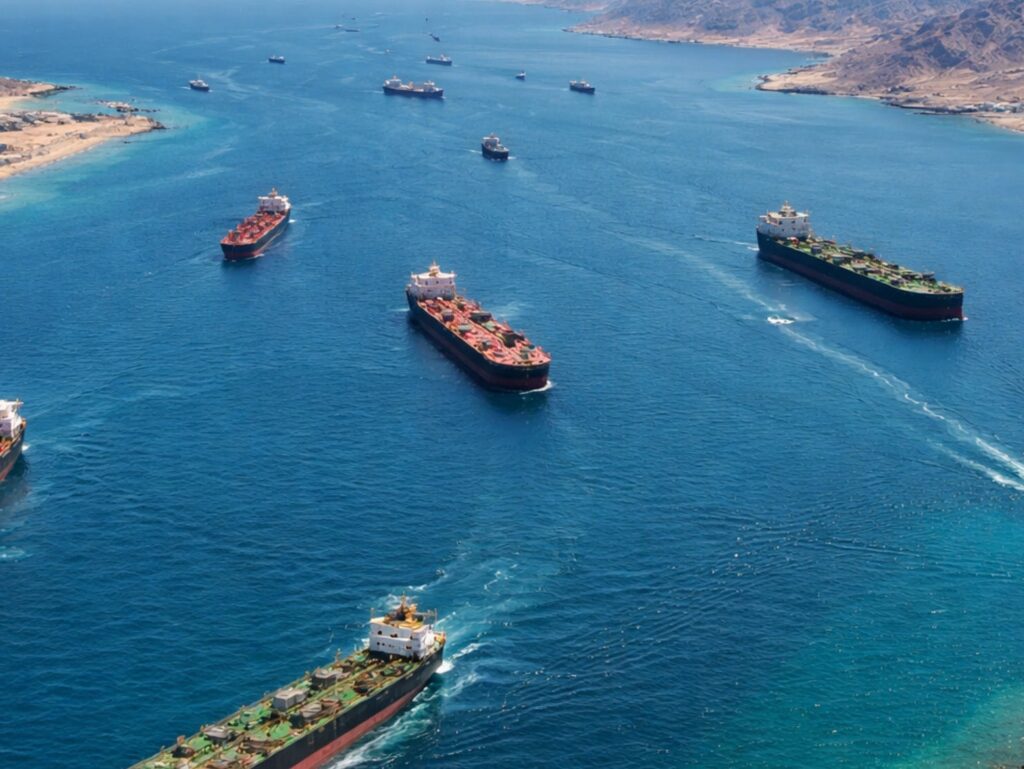
The geopolitical chessboard in the Middle East has once again snapped back into confrontation mode, with Iran announcing the renewed closure of the Strait of Hormuz, effectively reversing a brief and fragile de-escalation.
Tehran’s latest move signals that the situation has “returned to its previous state,” with Iranian military authorities reasserting full operational control over one of the world’s most critical energy chokepoints. The decision comes amid an ongoing standoff with the United States, particularly over Washington’s continued naval blockade of Iranian ports.
From Temporary Opening to Rapid Reversal
Only days earlier, there were tentative signs of progress. Both sides had indicated that the strait might reopen under a limited ceasefire framework, briefly calming global markets. However, that optimism proved short-lived.
Iranian officials quickly reversed course, warning that unrestricted navigation would not resume unless the U.S. lifted its maritime restrictions. Military statements emphasized that passage through the strait is now tightly controlled—or entirely denied—under armed supervision.
Reports indicate that Iranian forces have already acted on these warnings, with incidents involving vessels attempting to transit the waterway under the renewed closure.
Strategic Leverage in a High-Stakes Standoff
The Strait of Hormuz is not just another shipping lane—it is the artery through which roughly 20% of the world’s oil supply flows. Any disruption carries immediate and far-reaching consequences for global energy markets, freight costs, and inflation expectations.
By reinstating the blockade, Iran is leveraging its geographic advantage as a strategic bargaining chip. The message is unambiguous: without relief from U.S. pressure, global energy stability will remain hostage to the conflict.
From Washington’s perspective, however, the move is being framed as coercive escalation. U.S. officials have condemned the closure as “blackmail,” while maintaining that sanctions and naval restrictions will stay in place until broader security and nuclear concerns are addressed.
Markets, Military Risks, and What Comes Next
The immediate fallout is already visible:
- Oil price volatility is intensifying as traders reprice supply risks
- Shipping traffic through the Gulf is declining sharply, with many vessels rerouting or halting operations
- Military friction is rising, with reported interceptions and confrontations at sea
Diplomatic channels remain open, with talks continuing through intermediaries. Yet both sides acknowledge that a final agreement remains “far off,” suggesting that the current cycle of escalation may persist.
