
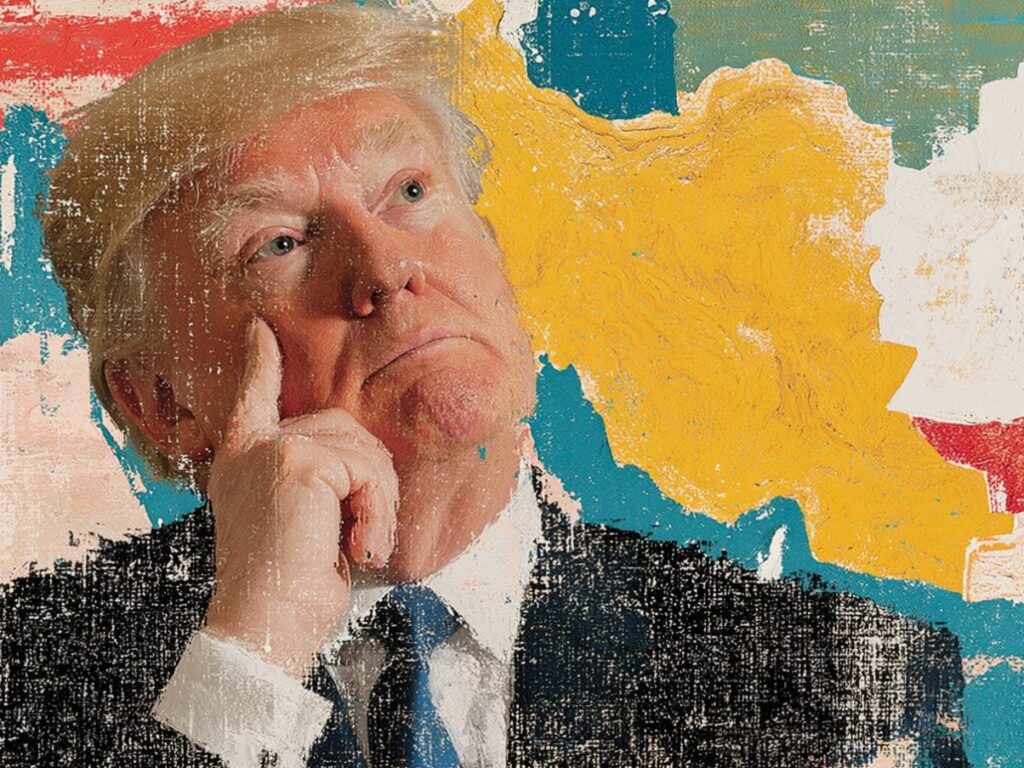
U.S. President Donald Trump has reportedly paused a planned military strike on Iran following urgent diplomatic appeals from regional allies including Saudi Arabia and the United Arab Emirates, signaling a dramatic shift in tensions across the Middle East.
According to reports emerging from Washington, the military operation had been under active consideration after weeks of escalating confrontation between the United States and Iran. However, Gulf leaders reportedly warned the White House that another direct attack could ignite a wider regional conflict, threatening oil infrastructure, commercial shipping routes, and fragile ceasefire negotiations already underway.
Trump confirmed that military plans were “put on hold” while diplomatic negotiations continue, though he also warned that the U.S. military remains prepared for what he described as a “full-scale assault” if talks collapse.
The move highlights the growing influence of Gulf nations in shaping U.S. strategy toward Iran. While Saudi Arabia and the UAE have publicly maintained support for regional stability, recent intelligence leaks and media reports suggest both countries have become increasingly involved in the broader conflict behind the scenes.
Analysts say Riyadh and Abu Dhabi are now attempting to balance two competing priorities: confronting Iranian influence while avoiding a devastating regional war that could cripple Gulf economies and energy exports. The Strait of Hormuz — one of the world’s most critical oil transit routes — remains at the center of those concerns.
Inside Washington, Trump’s decision has reportedly divided national security officials. Some hawkish advisers continue pushing for stronger military action against Tehran, arguing that delaying strikes may embolden Iran. Others believe Gulf-led diplomacy offers the best opportunity to prevent another prolonged conflict in the region.
The latest development comes amid rising fears of retaliation attacks across the Gulf. In recent months, regional military installations, oil facilities, and strategic infrastructure in Saudi Arabia and the UAE have faced repeated threats and drone incidents linked to the Iran conflict.
For now, diplomatic channels remain open. But with military assets still positioned across the region and tensions continuing to simmer, officials warn the pause may only offer temporary relief rather than a permanent breakthrough.
