
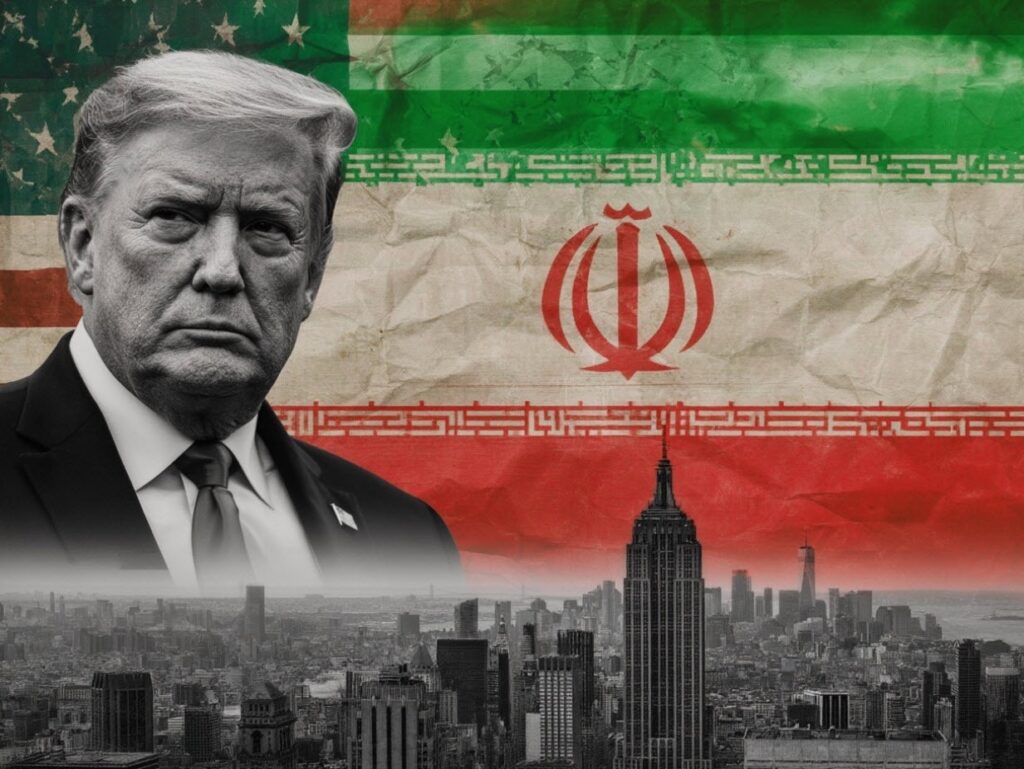
Diplomatic efforts between the United States and Iran appear to be regaining momentum, with officials signalling that direct talks could resume as early as Thursday, following the collapse of high-stakes negotiations earlier this week.
The proposed resumption comes after the Islamabad talks (April 11–12, 2026)—the most significant direct engagement between the two nations in decades—ended without an agreement after more than 20 hours of negotiations.
Fragile diplomacy after breakdown
Despite failing to reach a deal, both sides have kept communication channels open, leaving room for renewed dialogue.
Mediators from countries including Pakistan, Turkey, and Egypt are actively working to bridge differences and bring both parties back to the negotiating table.
Australian Foreign Minister Penny Wong and other global leaders have also urged a swift return to talks, warning that diplomacy remains the best path to stabilise the region and global markets.
Key sticking points
The negotiations have stalled primarily over deep structural disagreements, including:
Iran’s nuclear program – The US has demanded a long-term halt or severe restrictions on uranium enrichment Sanctions relief – Iran insists on immediate economic concessions Control of strategic waterways – Disputes over the Strait of Hormuz remain unresolved Regional military presence – Tehran wants a reduction of US forces in the Middle East
One major proposal reportedly included a 20-year freeze on Iran’s uranium enrichment, which Tehran rejected as excessive.
Rising military pressure
The diplomatic uncertainty has been overshadowed by escalating military actions. The United States has initiated a naval blockade of Iranian ports, significantly raising the stakes and increasing the urgency for renewed talks.
Iran has condemned the move as illegal and warned of retaliation, further intensifying fears of a broader regional conflict.
Economic ripple effects
Global markets have already reacted sharply:
Oil prices have surged above $100 per barrel Investor sentiment has weakened amid fears of supply disruption Inflation concerns are rising globally due to energy volatility
What happens next
The possibility of talks resuming on Thursday represents a critical diplomatic window. With a fragile ceasefire nearing its deadline, both nations face mounting pressure to avoid further escalation.
However, analysts caution that any renewed negotiations will still confront the same entrenched differences that derailed earlier efforts. Whether Thursday’s talks materialise—and succeed—may determine whether the crisis moves toward de-escalation or deeper confrontation.
